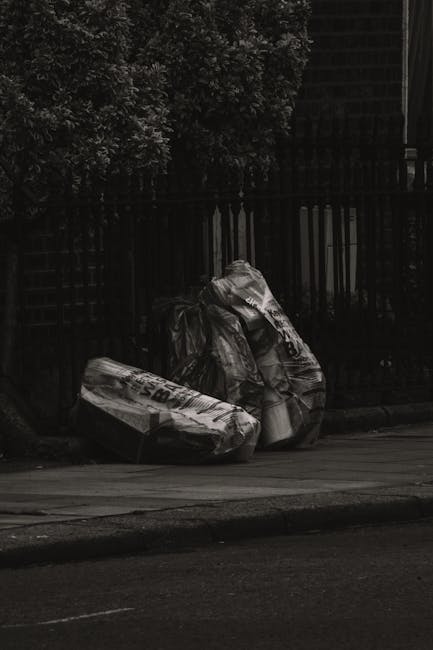
Garden Clearance in Beckenham

Garden clearance in Beckenham should make outdoor spaces easier to use, easier to maintain and ready for the next stage of work. We clear away green waste, broken garden items, soil, branches, old plant containers and other outdoor clutter so your garden can be brought back under control without you having to manage the heavy lifting yourself. The service suits routine tidy-ups, pre-sale preparation, post-renovation clearances and one-off jobs where the outside area has become too full to deal with quickly.
Our approach is practical and straightforward. We remove materials carefully, sort what can be separated for recycling where possible, and keep the focus on leaving the space swept through and workable. Because gardens vary so much, the right plan depends on what is present, how easy it is to access and whether the load includes mixed waste or mostly green material. If you are comparing options, it helps to think about the type of clearance you need rather than only the volume.
For a clearer view of the service range, you can look at garden clearance as the main offer, alongside related pages such as green waste removal and waste removal if those terms match what needs shifting. When the job includes awkward items or extra outdoor storage, garage clearance can also be relevant because many homes have sheds, side access areas or garages that are part of the same tidy-up.
What garden clearance can cover
Garden clearance is not just about collecting loose leaves. A proper service can deal with hedging cuttings, branches, bagged clippings, overgrown beds, damaged planters, worn garden furniture, disused pots and a range of mixed outdoor waste. Some customers want a full clear-out before landscaping begins; others only need a partial collection after pruning, mowing or storm damage. The right scope is often determined by the condition of the garden and the amount of sorting required before loading begins.
We also handle heavier or messier outdoor items that are difficult to move by hand, including timber offcuts, broken edging, old fencing sections and weathered general garden clutter. If the task includes a larger domestic clean-out beyond the outside space, the most suitable service may overlap with home clearance or house clearance. Those pages are useful when the work extends indoors as well as outdoors, or when a move, refurbishment or bereavement-related clear-out needs a broader plan.
In practical terms, a useful clearance balances speed with care. It should be organised enough to reduce disruption, but flexible enough to handle different materials safely. Good access, clear instructions and a realistic scope all help the work run smoothly. For customers, the important decision is usually whether the job is a light tidy, a mid-sized removal or a full outside reset, because that affects the manpower and vehicle space needed.
Green waste, mixed waste and bulky outdoor items

Many garden jobs contain more than one material type, which is why mixed loads often need more thought than a simple green collection. Fresh cuttings and branches are straightforward in principle, but the same pile may also contain broken plastic edging, old compost bags, cracked pots or discarded timber. Keeping these materials separated where possible can improve the overall process and help ensure each part goes to the most appropriate destination.
If your outside area contains substantial bulky items, it may be helpful to compare the job with furniture disposal or furniture clearance, especially when outdoor seating, tables or storage units are involved. These services are relevant when a garden is being reset and the old items are no longer worth keeping. For larger piles of general rubbish mixed with outdoor waste, waste removal gives a broader option that can suit households with varied material types.
Some gardens also contain waste produced during minor building or repair work, such as soil, rubble, old path edging or timber from a dismantled structure. In those cases, the more suitable option may be builders waste clearance. The key point is not to force everything into one category. A sensible quotation depends on whether the load is mainly green waste, mainly bulky items, or a combination of both.
How we approach access, sorting and loading
A garden can look simple from the gate yet still involve tight passages, narrow side access, uneven ground or fragile areas that need care. Good clearance work starts with planning the route out of the property and deciding how the waste should be gathered. Where the space is cramped, it may be better to stage the material in smaller sections rather than drag heavy bags across the whole garden. That reduces the chance of damage and keeps the process controlled.
The usual way to prepare is modest and sensible:
- group obvious piles together if it is safe to do so
- keep sharp, broken or contaminated items separate where possible
- make gates, side returns or paths accessible
- identify anything that should stay in place
We can also advise on whether the job is best handled in one visit or in sections. That matters for larger gardens, heavily overgrown plots and mixed clearances where the amount of material is hard to judge from a distance. For customers who want a cleaner finish after the waste is removed, it is worth mentioning whether sweeping, basic rake-through or simple final tidying is part of the requirement, because that changes the expected scope.
Garden clearance for overgrown spaces and seasonal work

Some clearances are driven by seasons rather than major changes to the property. After long wet periods, hedge cutting, pruning or stormy weather, gardens can accumulate piles of organic waste very quickly. At other times, the issue is gradual build-up: dead leaves, untidy corners, collapsed bags of compost and old items left in a shed entrance or along a fence line. In both cases, the objective is the same: restore usable space without turning the process into a bigger disruption than necessary.
Overgrown areas often need a patient, section-by-section approach. It can be useful to tackle one part of the garden first, remove the waste, then move to the next. That works well where borders, paths and lawn edges are partly hidden under growth. It is also a sensible way to manage jobs that produce a lot of loose green material because it avoids creating a single unmanageable pile. If tree cuttings are substantial, the work may overlap with loft clearance only in the broad sense of needing organised removal, but the actual material type remains different; for tree and branch waste, the outdoor clearance should be described directly and accurately.
Seasonal work is often easier to plan when you know whether the garden is being cleared for immediate use, for sale, for a planting project or simply to stop it getting worse. A brief written description of the target outcome can help us shape the job properly. The more specific the scope, the easier it is to quote sensibly and to avoid leaving behind items that were meant to go.
Pricing factors and quotation details
Garden clearance pricing usually depends on a few clear factors: the total amount of waste, the mixture of materials, access to the property, loading time and whether the job includes heavy or awkward items. A small pile of cuttings is very different from a full garden reset involving branches, bags, broken outdoor items and general clutter. For that reason, quotations are most useful when they reflect the actual work rather than a vague guess based on the garden size alone.
If you are collecting information before making contact, it helps to note the main waste types, whether the items are already gathered or still spread out, and whether any access issues might slow the loading process. A rough description is usually enough to begin with; you do not need to over-explain. For customers comparing related services, pricing and quotes is a helpful page when you want to understand how enquiries are usually assessed, while contact us is the natural next step when you are ready to ask for a quotation.
Two short reminders are often enough: first, decide whether the job is green waste only or mixed waste; second, check whether anything should be retained before the clearance begins. Those points make a real difference to price because they influence sorting, labour and disposal. If you want us to quote, send a concise description of the job and mention any access constraints so we can assess it properly.
Recycling, disposal and responsible handling
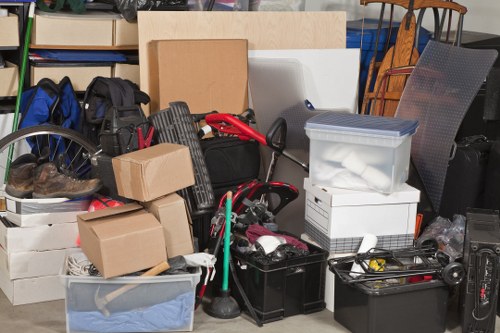
Responsible garden clearance should not stop at collection. Once the waste is removed, the next step is deciding where each material belongs. Green waste, timber, metals, plastics and mixed household items may need to be handled differently. Where separation is possible, it makes sense to keep recyclable material distinct from general rubbish so the load can be treated more appropriately. That is one reason a well-organised clearance is usually better than simply tipping everything into one mixed heap.
For customers who care about the end destination of the waste, it may be useful to review recycling and sustainability. That page gives a useful broader context for how different materials are considered. If the job includes items that have reached the end of their life but still need careful handling, furniture disposal can be relevant for outdoor seating, cupboards, shelving or other garden storage pieces that are no longer suitable to keep.
There are also jobs where the garden clearance sits alongside other domestic waste decisions, such as sorting contents from a shed, conservatory or spare room. In those cases, it can be more efficient to plan the work as part of a wider household project instead of treating each area separately. A sensible clearance keeps the process tidy from collection through to disposal, while staying focused on the actual items that need moving.
About Beckenham
Beckenham sits in the London Borough of Bromley, on the south-eastern edge of Greater London, and has long combined suburban residential streets with a busy town-centre role. Its growth accelerated in the nineteenth century, especially after railway connections made the area far more accessible for commuters and local commerce. The result is a place with a layered character: older village traces remain visible in the historic core, while later development brought broad residential roads, civic buildings and a more urban commercial strip. That mix gives Beckenham a varied streetscape rather than a single uniform look.
Several landmarks help define the area’s identity. Beckenham Green provides an open public space close to the centre, while Kelsey Park is one of the best-known local parks and includes lakes, trees and landscaped paths. St George’s Church stands as a notable historic building, and the surrounding streets include a range of period houses and commercial premises that reflect the district’s gradual evolution. The area also has transport links that connect it closely with the wider south London network, reinforcing its role as both a neighbourhood and a destination in its own right. Cultural life is shaped by local events, independent businesses and community spaces, giving the town centre a practical but recognisable local feel.
Beckenham’s position near several green corridors and open spaces has helped maintain a balance between built-up streets and accessible outdoor places. Parks, smaller gardens and residential plots sit alongside the town centre, and the area’s architecture ranges from Victorian and Edwardian terraces to later interwar and modern housing. That variety makes it an interesting part of south-east London to read as a whole: neither a compact village nor a purely urban commercial district, but a settled suburb with a long local history and a visible link between its past and present form.
Clearance for sheds, side areas and awkward storage
Garden work often reveals extra spaces that have quietly become storage areas. Sheds, side returns, alleyways and small outbuildings can hold broken tools, old bags, containers, timber, plant pots and forgotten household items. These spaces are usually awkward rather than large, which means the challenge is less about volume and more about access and sorting. Clearing them carefully can make a big difference to the overall usefulness of the garden.
Where the job extends into enclosed or partly covered areas, a combined approach may be sensible. For example, if a shed contains both general clutter and outdoor equipment, the work may sit alongside garage clearance or even office clearance in the broad sense of removing mixed stored items from a contained space. The exact service should be chosen according to the kind of material involved, not just the room name. That keeps the quotation accurate and the collection efficient.
If you are unsure how to describe the job, focus on the items rather than the label. A clear note such as “mostly branches and bags,†“old planters and broken timber,†or “shed contents plus garden waste†tells us far more than a general statement that the garden needs sorting. Precision is useful, but it does not need to be complicated.
Choosing the right level of clearance

Not every garden needs the same scale of service. Some jobs are best treated as a light tidy after pruning, while others need a full clearance before landscaping, decorating or sale preparation can begin. A sensible way to choose the right level is to ask what outcome you want when the waste has gone: is the goal to make a path usable again, remove a pile that has built up over time, or empty the garden so work can start from a clean surface? The answer usually points to the right scope.
Customers sometimes compare this service with more general household options such as flat clearance or house clearance, especially when the outside area contains a mix of garden waste and domestic items. Those pages are helpful when the project goes beyond the garden boundary. If the job is purely outdoor, though, keeping the brief focused on the garden makes the quotation easier to read and the waste easier to plan for.
When you are ready to arrange the job, a concise enquiry is usually enough. Include the waste type, approximate amount and any access concerns, and we can help you request a quotation that fits the work properly. Tell us what needs to go, what should stay and when you want the clearance completed.